
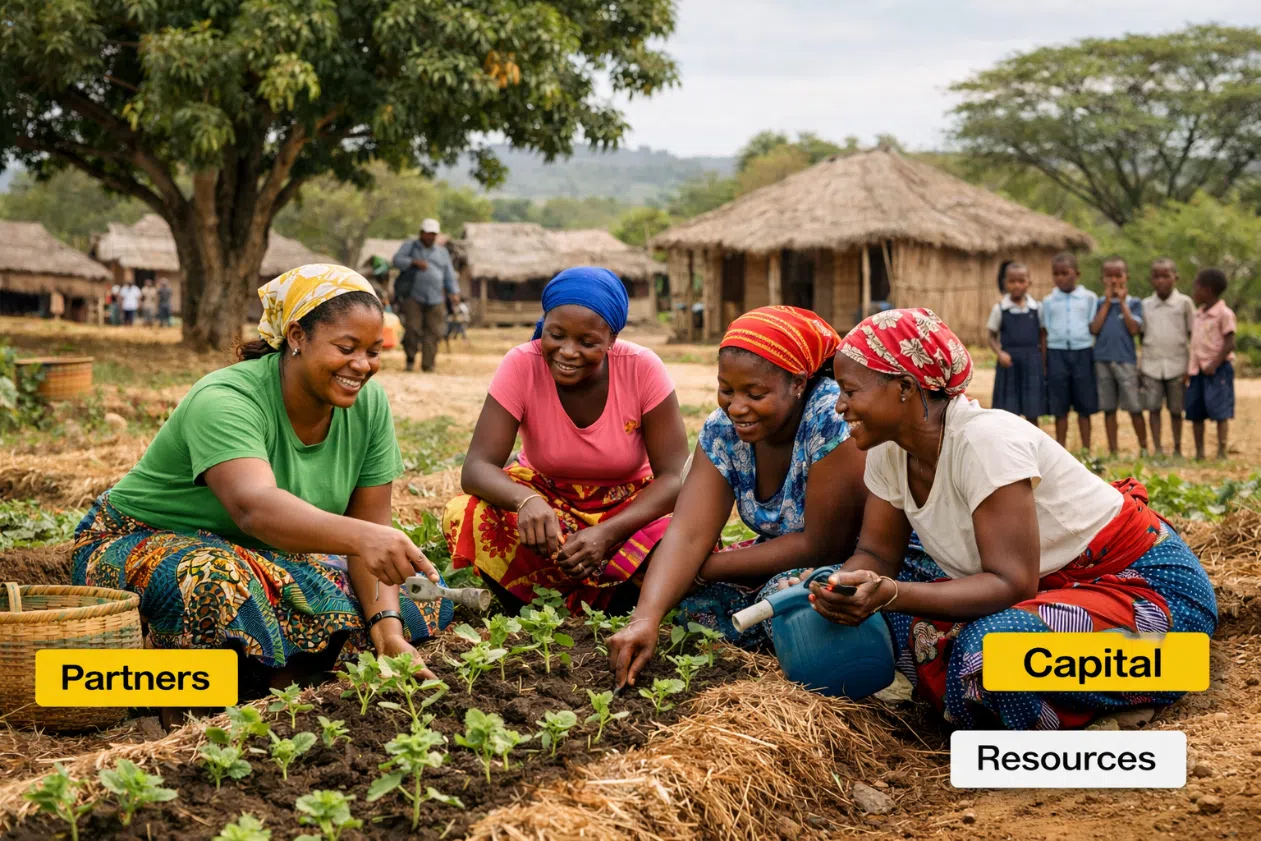
In Mozambique, the heartbeat of change often begins in the smallest of places, a rural village, a bustling market, or a community gathering under the shade of a mango tree. Here, social entrepreneurship is not just a business model, it is a lifeline, a vision, and a promise of dignity. To understand its power, we must look at how it empowers local communities, turning challenges into opportunities and dreams into reality.
A Story of Ownership and Dignity
Imagine a group of women in Beira who have long struggled to provide for their families. Traditional employment opportunities are scarce, and many rely on informal trade to survive. Through a social enterprise focused on sustainable agriculture, these women are given training, access to microfinance, and tools to cultivate crops more efficiently. Suddenly, they are not just workers; they are entrepreneurs. They own their production, set their prices, and reinvest profits into their children’s education.
This shift is more than economic. It restores dignity. It tells each woman: you are capable, you are valuable, and you are a leader in your community. That sense of ownership is the foundation of resilience.
Building Solutions from Within
Social entrepreneurship thrives because it listens. Instead of imposing external solutions, it invites communities to co-create. In Mozambique, where cultural diversity and local knowledge are rich, this approach ensures that solutions are relevant and sustainable.
For example, a venture addressing clean water might begin by asking villagers what challenges they face daily. Is it distance to the nearest well? Is it contamination during storage? By listening, entrepreneurs design solutions that fit the reality — perhaps a community-owned water purification system managed locally. The result is not charity but empowerment: communities solving their own problems with tools and support.
Resilience in the Face of Challenges
Mozambique has faced cyclones, floods, and economic instability. In such contexts, resilience is not optional; it is survival. Social entrepreneurship equips communities with the ability to adapt.
Take the example of smallholder farmers in Sofala Province. When climate change disrupts rainfall patterns, traditional farming methods fail. A social enterprise introduces drought-resistant seeds and mobile apps that provide weather forecasts. Farmers adapt, yields improve, and families are fed. More importantly, communities learn to anticipate and respond to change. Resilience becomes part of their identity.
The Ripple Effect of Empowerment
When one person is empowered, the impact spreads. A young entrepreneur in Maputo who starts a recycling business not only creates jobs but also inspires others to see waste as opportunity. A cooperative of fishermen in Nampula who adopt sustainable practices not only protect the ocean but also teach the next generation about stewardship.
This ripple effect is the true power of social entrepreneurship. It multiplies impact, turning individual success into collective progress.
Why It Matters for Mozambique’s Future
Mozambique is a country of immense potential — rich in natural resources, culture, and youthful energy. Yet poverty and inequality remain pressing challenges. Social entrepreneurship offers a pathway that is both practical and visionary.
By empowering local communities, it ensures that progress is not imported but homegrown. It builds leaders from within, strengthens social fabric, and creates economies that reflect the values of the people. It is not about quick fixes but about laying foundations for generations to come.
A Call to Action
The story of social entrepreneurship in Mozambique is still being written. Each new venture, each empowered community, adds a chapter. The call is clear: invest in people, listen to their voices, and trust their capacity to lead.
Empowering local communities through social entrepreneurship is not just about business. It is about rewriting narratives of poverty into stories of resilience, dignity, and hope. It is about ensuring that every Mozambican, whether in the city or the countryside, has the chance to shape their own future.
Final Thought
Social entrepreneurship in Mozambique is a bridge — between tradition and innovation, between local challenges and global opportunities, between survival and prosperity. By empowering communities, it does more than create businesses; it creates futures. And in those futures, we see the promise of a nation rising, resilient and proud.