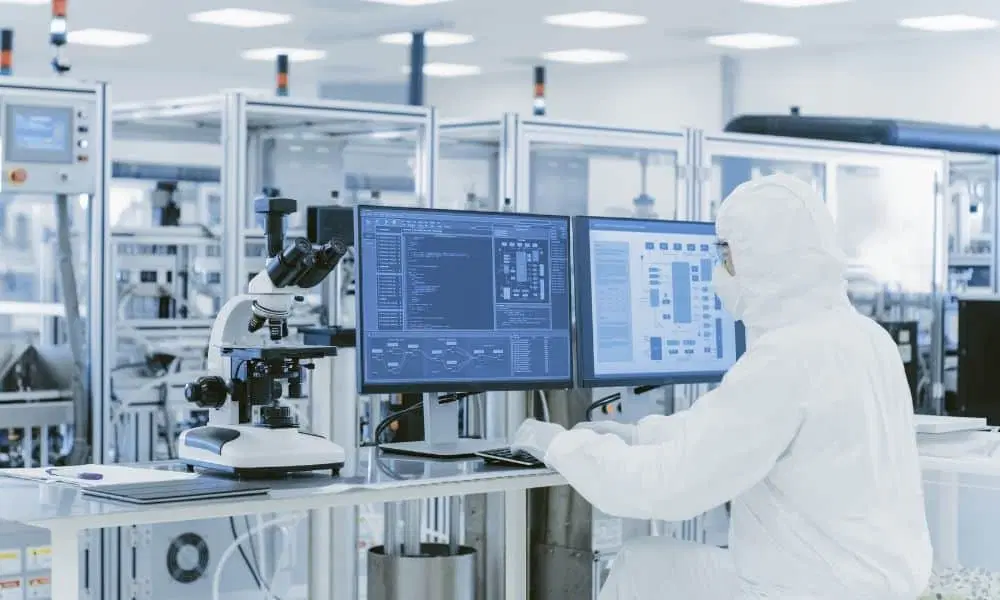
Research & Development (R&D) at DIU LAB is the beating heart of our innovation ecosystem. It is where ideas are transformed into prototypes, where visions become methodologies, and where solutions are designed to address real-world challenges. Unlike traditional R&D units that operate in isolation, DIU LAB’s R&D is deeply integrated into our institutional mission of empowerment, inclusion, and sustainability. It is not just about creating new technologies or pharmaceutical breakthroughs; it is about designing systems that serve communities, strengthen economies, and inspire long-term change.
How It Works
Our R&D process is modular and adaptive. Each project begins with a problem-mapping phase, where we identify the pain points faced by communities, organizations, or industries. This is followed by a benchmarking stage, where we compare global standards and best practices to ensure our solutions are competitive and relevant. Once the foundation is set, we move into design and prototyping, leveraging DIU’s laboratories and extensions to create tangible outputs.
The process is iterative: prototypes are tested, refined, and adapted based on feedback from stakeholders. This ensures that solutions are not only technically sound but also culturally relevant and practically applicable. Our R&D is scenario-driven, meaning we simulate real-world contexts to stress-test ideas before they are scaled. This approach minimizes risk and maximizes impact.
Our Approach
DIU LAB’s approach to R&D is unique because it blends scientific rigor with institutional clarity. We believe that innovation must be both measurable and meaningful. To achieve this, we use a modular framework that allows us to break down complex challenges into manageable blocks. Each block is designed to be web-ready, adaptable, and scalable.
We also emphasize multilingual adaptation, ensuring that our methodologies and outputs can be translated across contexts — whether in English, Portuguese, or Dutch. This reflects our commitment to accessibility and global relevance. Furthermore, our R&D is not confined to laboratories; it extends into communities, where we co-create solutions with NGOs, universities, and local entrepreneurs.
Who It Is For
Our R&D services are designed for a wide range of stakeholders:
- Organizations seeking to develop new technologies, methodologies, or institutional frameworks.
- Startups and entrepreneurs who need support in prototyping, testing, and scaling their ideas.
- NGOs and community groups looking for innovative solutions to social, economic, or environmental challenges.
- Governments and institutions aiming to strengthen their ecosystems with sustainable and inclusive models.
In essence, our R&D is for anyone who believes that innovation should serve humanity and who seeks to transform ideas into systems that create lasting impact.
Why It Matters
The importance of R&D at DIU LAB lies in its ability to bridge the gap between vision and execution. Many organizations have ideas but lack the structure to implement them. Others have resources but struggle to align them with community needs. DIU LAB’s R&D solves this by providing a structured, adaptive, and inclusive process that ensures innovation is both effective and empowering.
By focusing on sustainability, we ensure that our solutions do not just solve immediate problems but also contribute to long-term resilience. By emphasizing inclusion, we guarantee that disadvantaged communities are not left behind. And by prioritizing clarity, we make sure that every output is actionable, measurable, and ready for institutional application.
Example of Impact
Imagine a rural community struggling with agricultural inefficiencies. Through our R&D, we would begin by mapping the specific challenges — lack of access to markets, outdated farming techniques, or limited financial literacy. We would then benchmark global agricultural innovations, adapt them to the local context, and design prototypes such as mobile platforms for market access or modular training programs for farmers. These prototypes would be tested in the community, refined based on feedback, and scaled through partnerships with NGOs and local institutions. The result: a sustainable, inclusive, and impactful solution that transforms livelihoods.